
Richard & Robert D’Amore
Website forthcoming. In the meantime, please visit D’Amore Fine Art on Instagram to explore more of
Robert and Richard D’Amore’s photography, and to discover the personal stories,
poetry, reflections, and tributes that surround their lives and art.


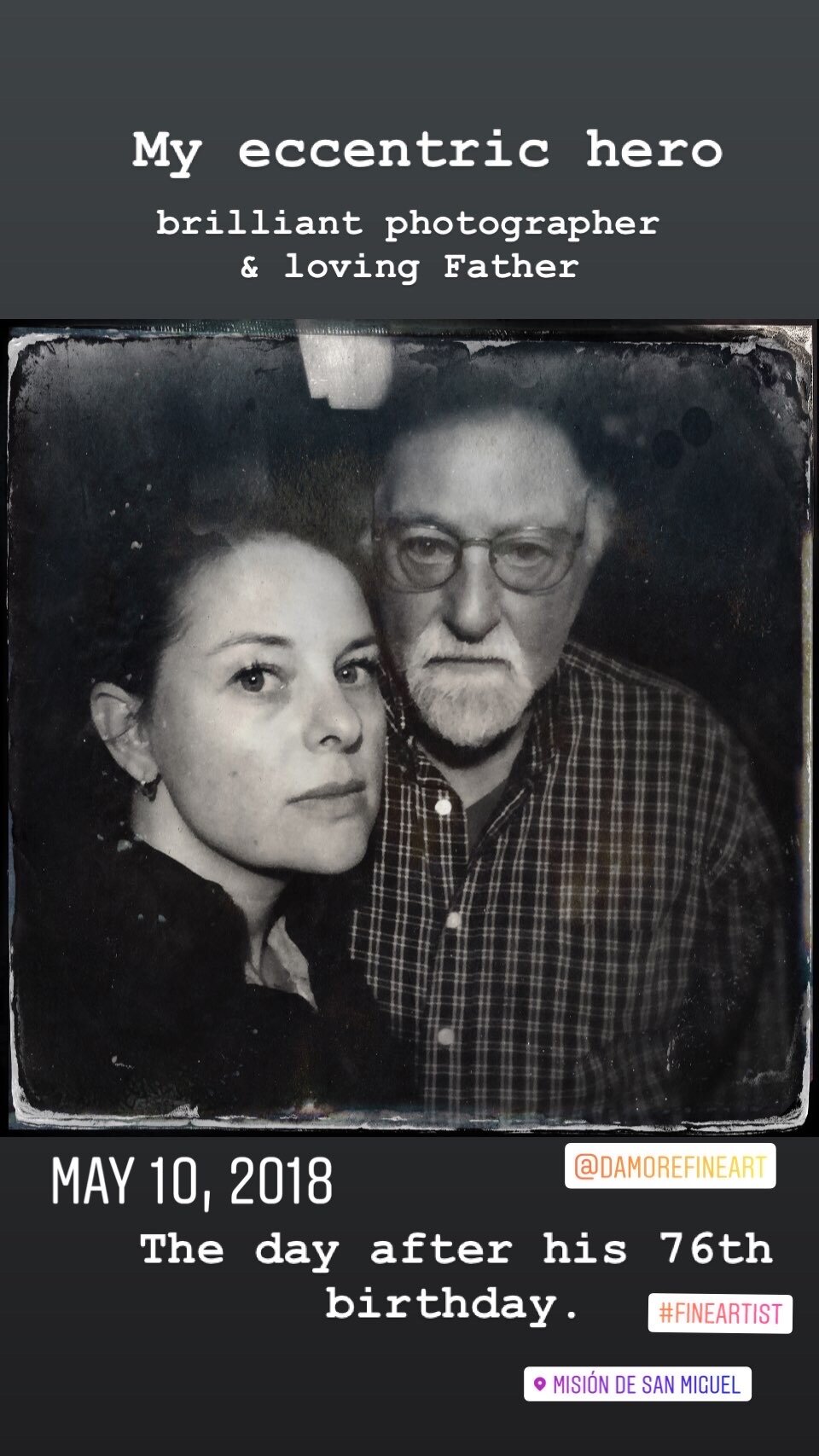
Robert D’Amore 1943 ( My Father)
Website forthcoming. For now, here is a selection of the surviving work.
Publications & Posters

Richard D’Amore 1940-2006 ( My Uncle)
Website redesign with new/old work in progress
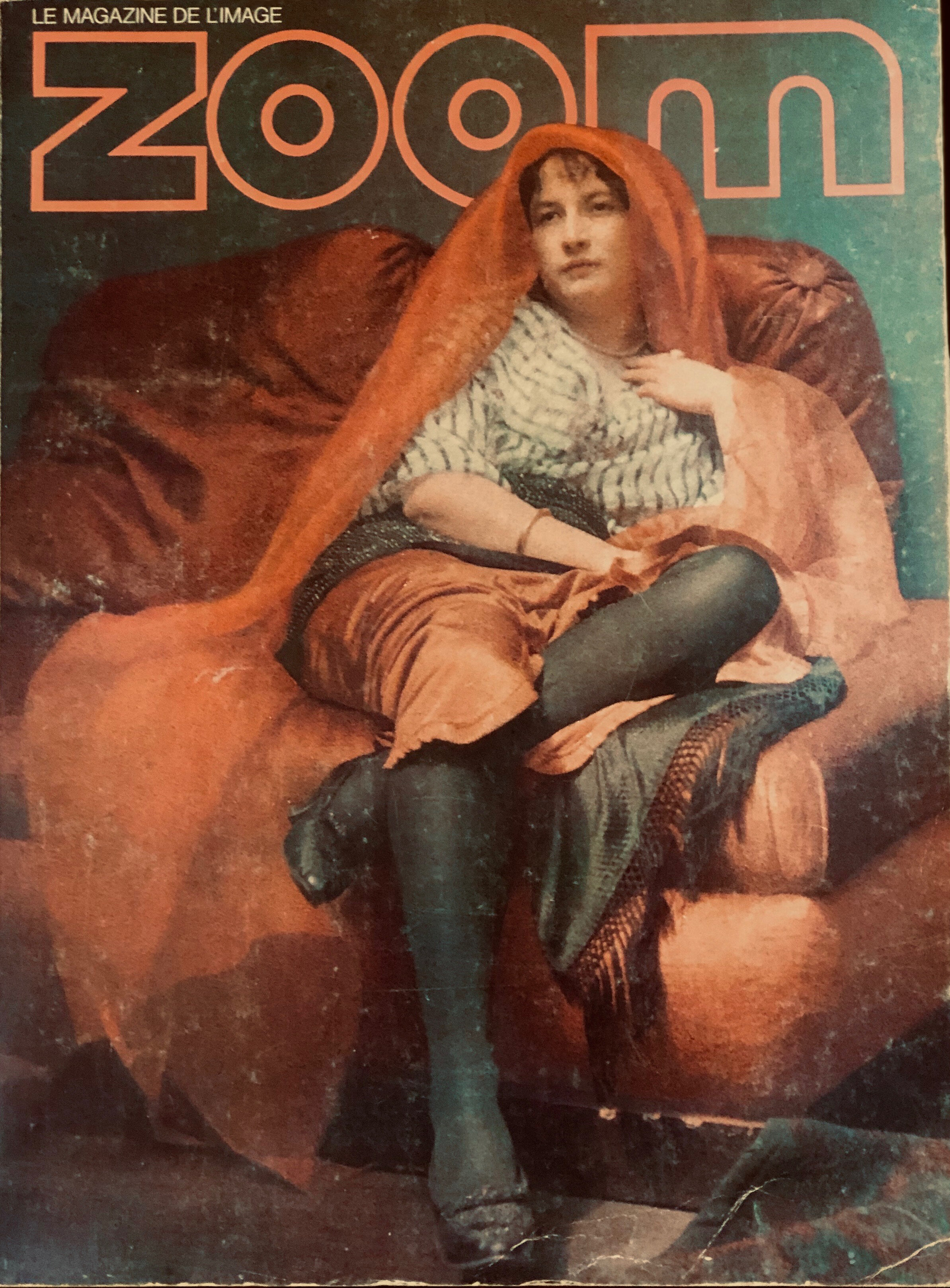
Just a few Magazines from their first publications in the prestigious Zoom Magazine. (click on cover to see the features)
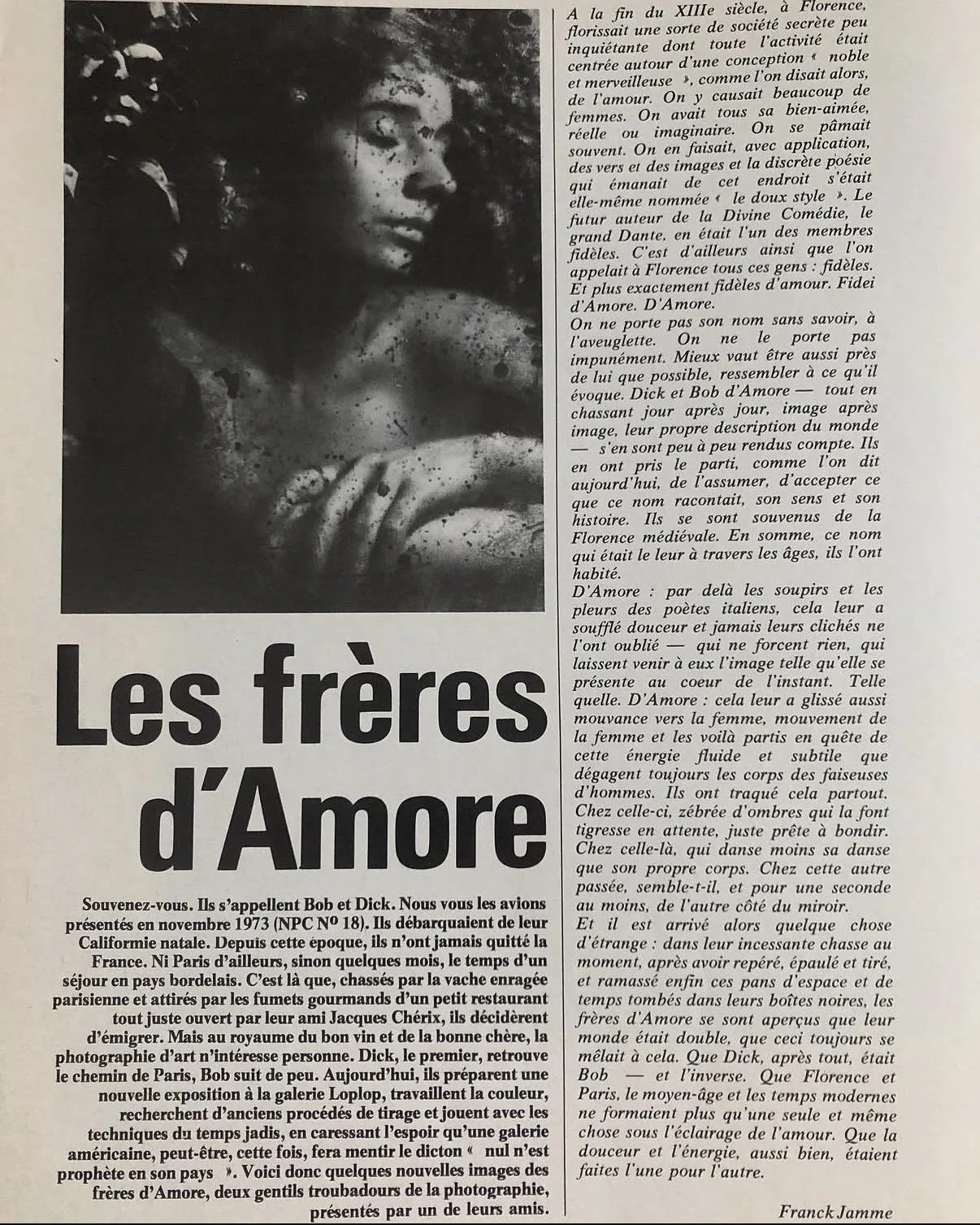
The D’Amore Brothers
by Franck Jamme
Remember them? They are Bob and Dick. We introduced them to you in November 1973 (NPC No. 18). They had just arrived from California. At that time, all they wanted was France. Not Paris itself, but the time and quiet of a stay in the countryside. It was there, pursued by the frenzy of Paris and drawn by the delicious aromas drifting from a small roadside restaurant, that they met Jacques Chéris and decided to settle there.
Photography, however, interested no one at first. Dick, the younger brother, returned to advertising photography. Bob, for his part, devoted himself to painting. Today they are preparing a new exhibition at the Galerie Loupot, working in color, experimenting with old printing processes, and rediscovering forgotten techniques while proving—perhaps this time—that the old saying “No one is a prophet in his own country” need not always be true.
Here are the newest images by the D’Amore brothers, two gentle troubadours of photography, introduced by one of their friends.
(Essay by Franck Jamme)
At the end of the thirteenth century, in Florence, there flourished a little-known secret society whose entire activity revolved around a noble and marvelous conception: Love, as it was then understood.
Many women were discussed there. They loved every real woman—or every imagined one. They often lost themselves in ecstatic contemplation. With devotion they composed verses and images, and all the secret poetry that arose from that place came to be known as dolce stil nuovo—the “sweet new style.”
The future author of The Divine Comedy, the great Dante himself, was among its most faithful members.
It was, in fact, from this that all such people in Florence came to be called the Fedeli d’Amore—the Faithful of Love. Or, more simply, D’Amore.
One does not bear such a name without, knowingly or not, accepting its burden. Better still, one should come as close as possible to resembling what it evokes.
Dick and Bob D’Amore—day after day, image after image, chasing their own description of the world—have perhaps scarcely realized it themselves.
Yet they have chosen, as we might say today, to embrace that name, to accept everything it tells: its meaning and its history.
They remembered medieval Florence.
In short, the name that had traveled down through the centuries became something they truly inhabited.
D’Amore: beyond the sighs and tears of the Italian poets, beyond the sweetness they celebrated, their clichés have never forgotten one thing—that they allow us to encounter the image exactly as it appears at the very heart of the instant.
Such is D’Amore.
Movement toward the woman.
Movement of the woman.
And there they are, forever in search of that fluid, subtle energy that always radiates from women’s bodies.
They have searched for it everywhere.
In one woman, striped with the tiger’s waiting gaze, ready to leap.
In another, dancing less in the present than in her own past, seeming, for one brief second, less the reflection than the mirror itself.
And then something strange happened:
within their restless pursuit of the moment,
after opening, one by one,
and gathering at last
those scraps of space and time fallen into their black boxes,
the D’Amore brothers realized that the world had become more beautiful because of it.
That Dick—who, after all, had been Bob’s opposite—
could finally become the same man.
That Love,
which Florence had given birth to,
could now take more than one form,
yet still remain one and the same.
That gentleness and energy,
as different as they may seem,
were made for one another.
— Franck Jamme

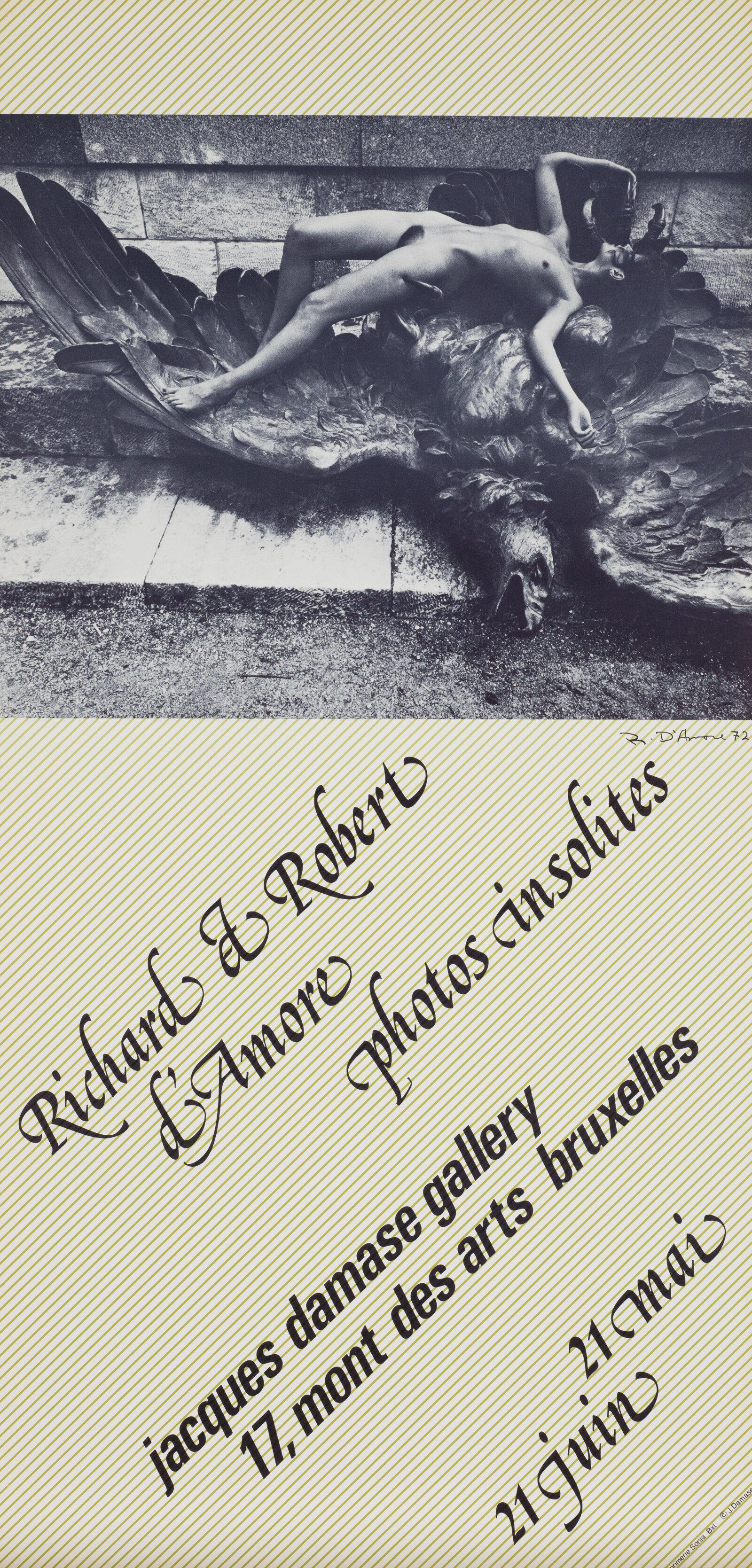
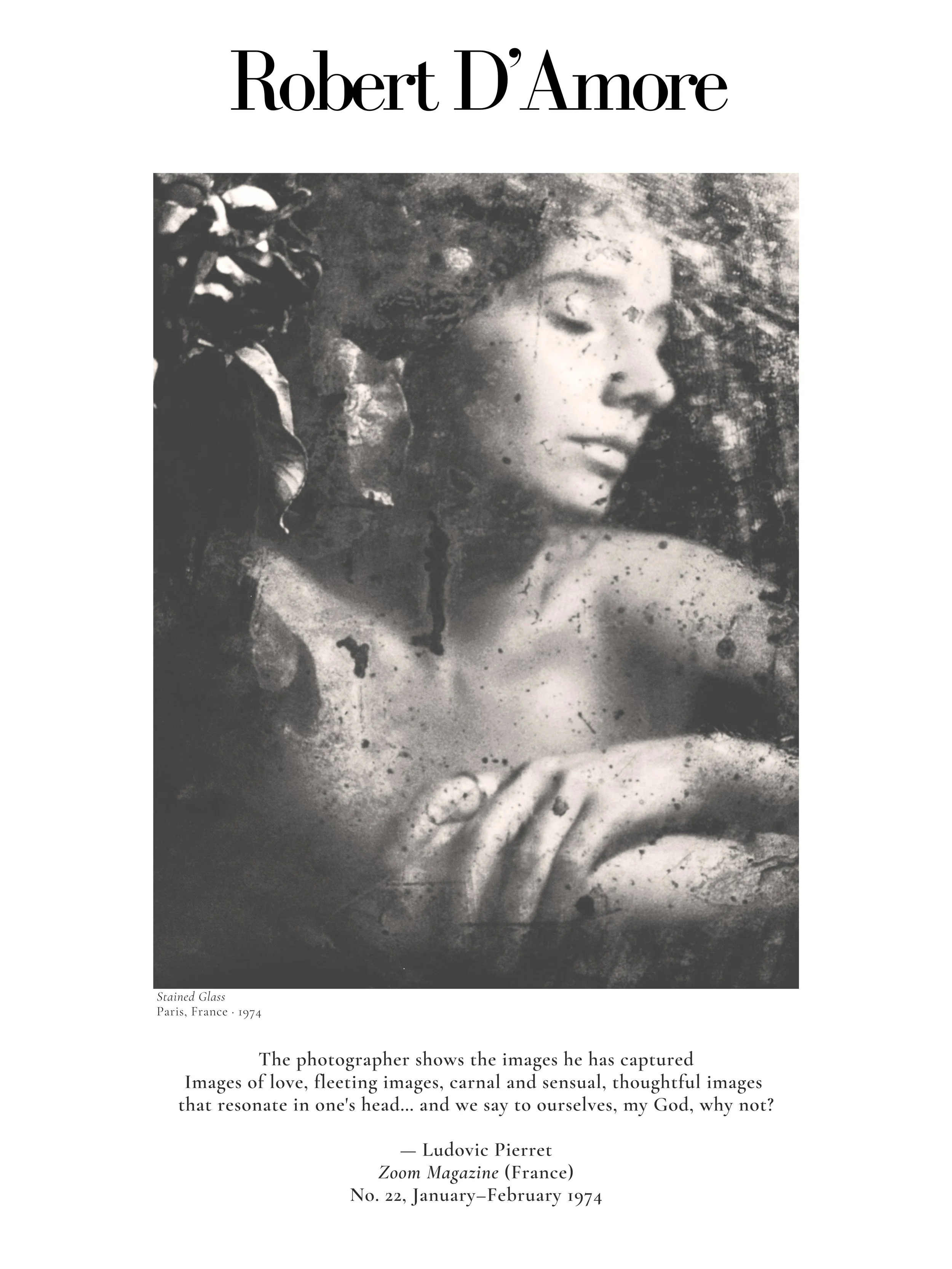
Zoom Magazine 1974: Robert D’Amore (click image for more)

Zoom Magazine 1972 : Robert D’Amore & Richard D’Amore (click image for more)

Zoom Magazine 1973: Richard D’Amore ( Cover Photo: Richard D’Amore)
(click image for more)
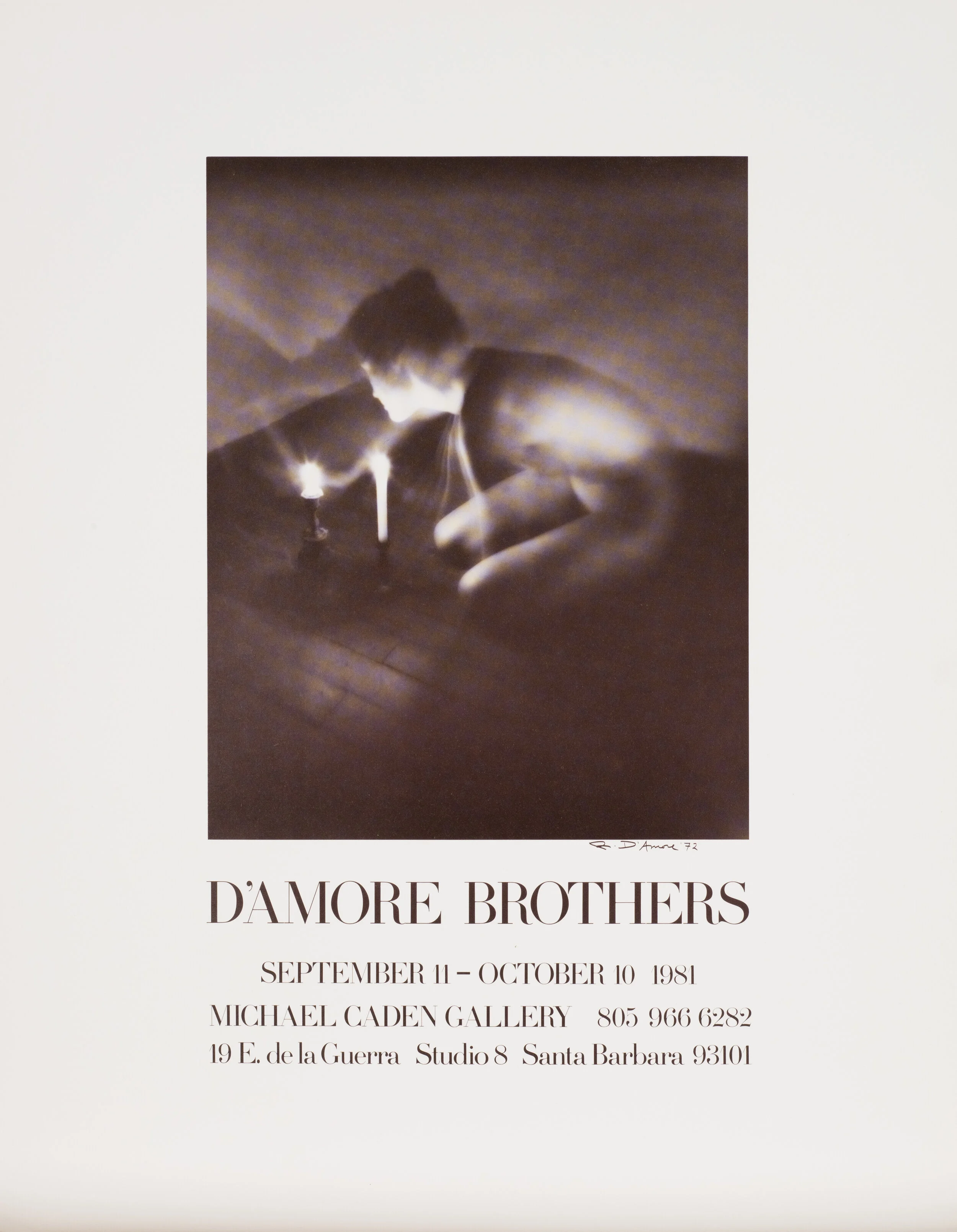
Michael Caden Gallery founded in 1979 is a private dealer in American Paintings 19th, 20th century photography and fine art.


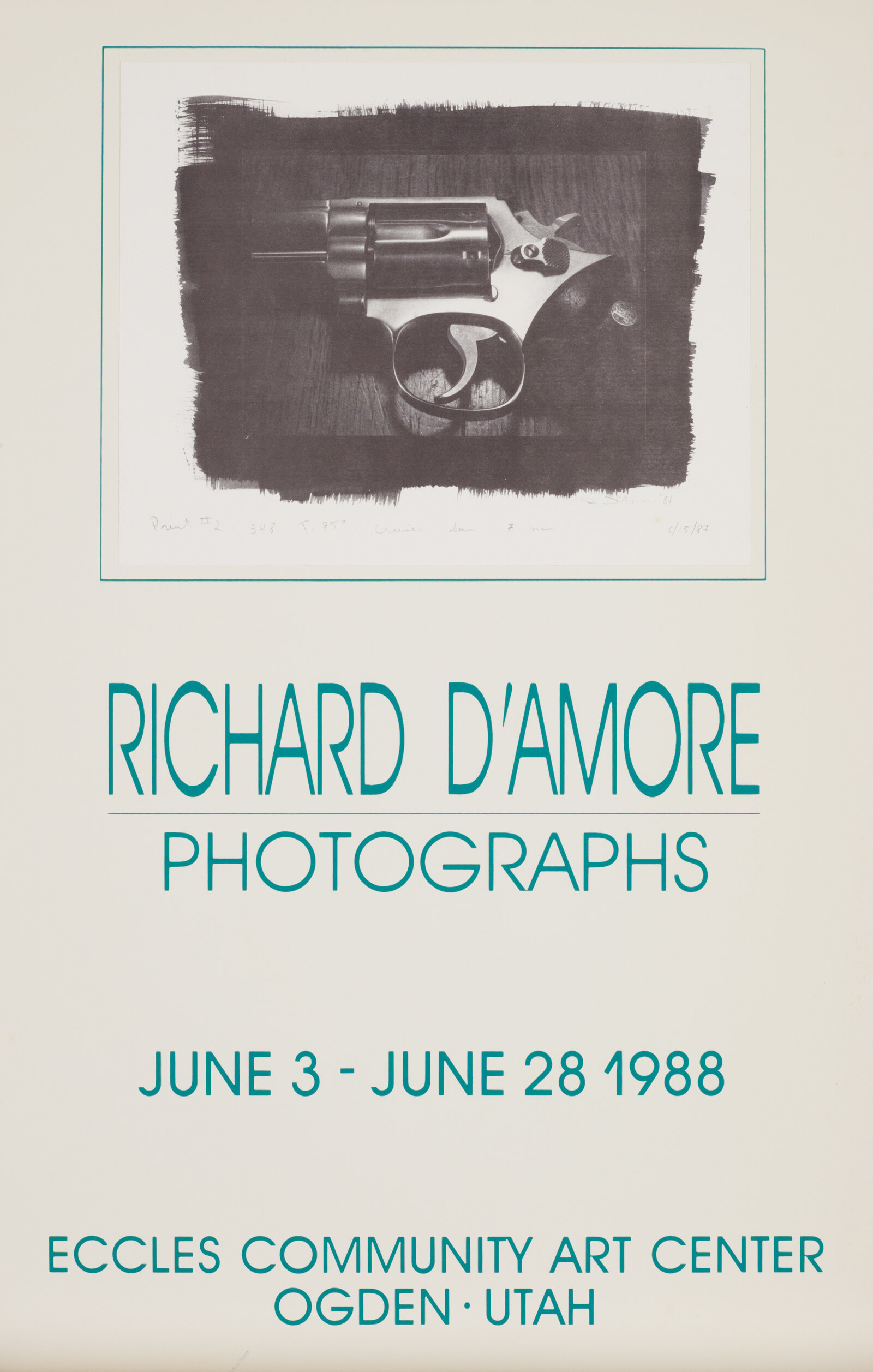

Richard D’Amore’s last exhibition before he died on December 14th, 2006
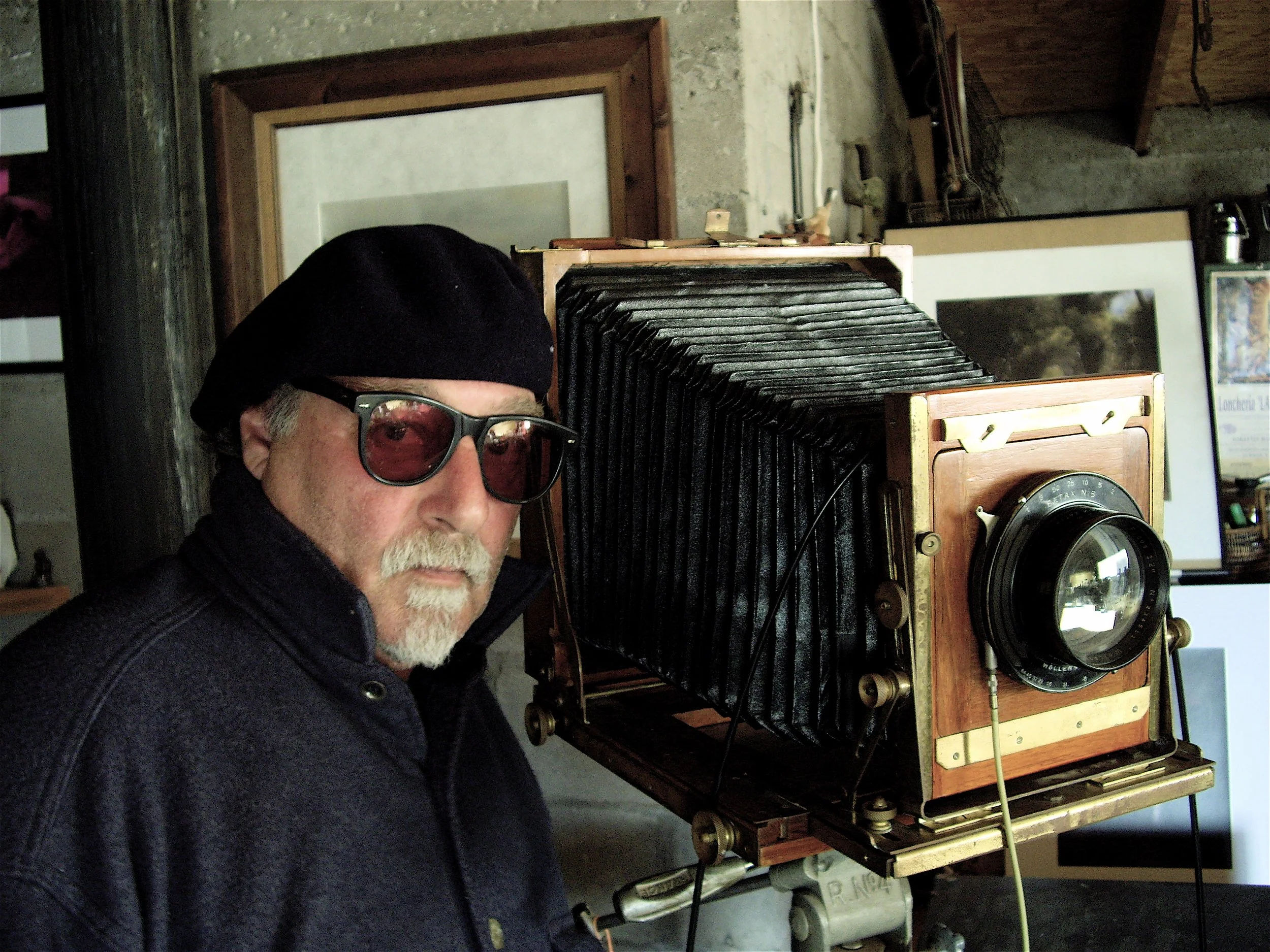
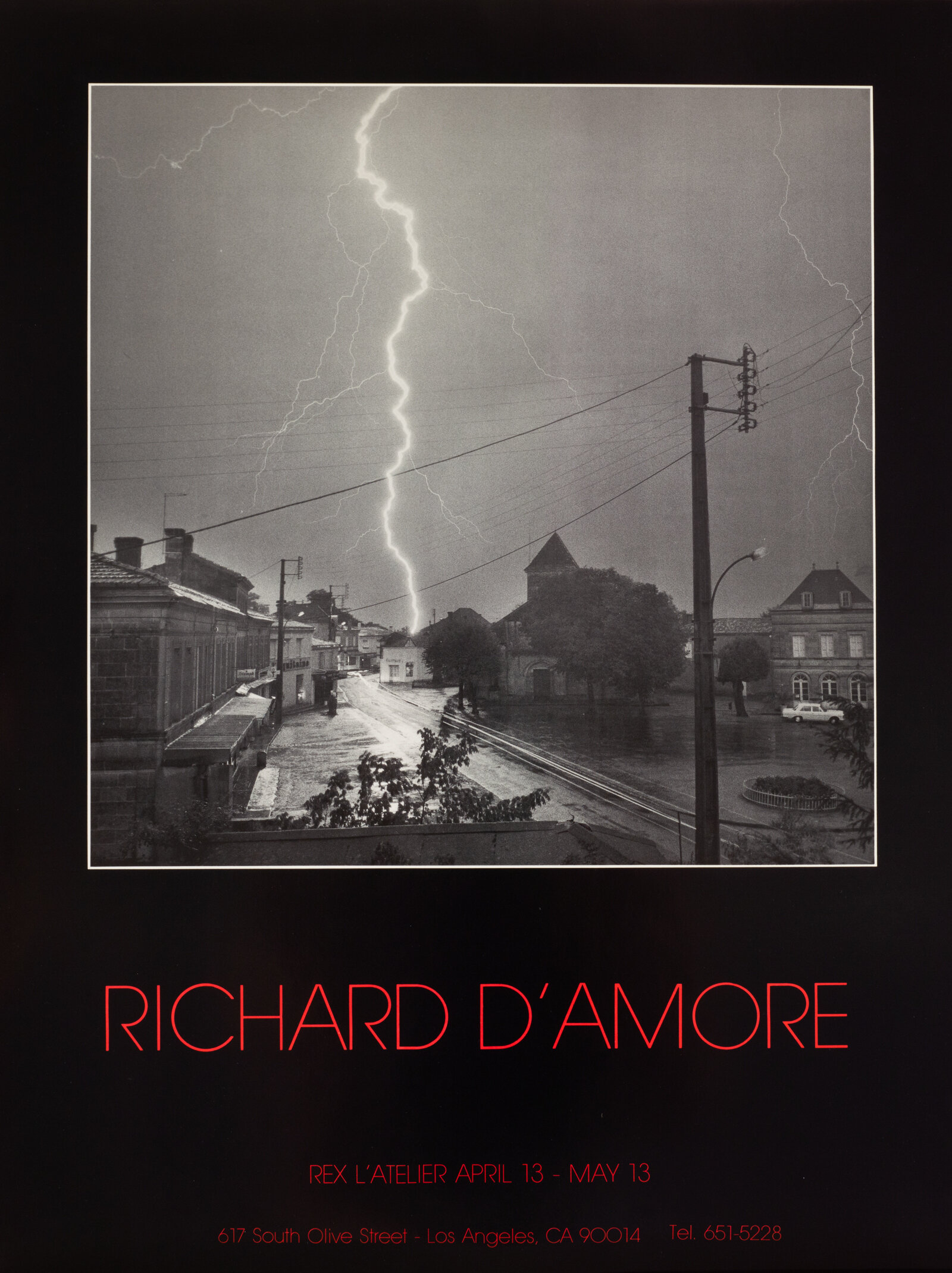
Tragedy Strikes Twice Thirteen Years Later
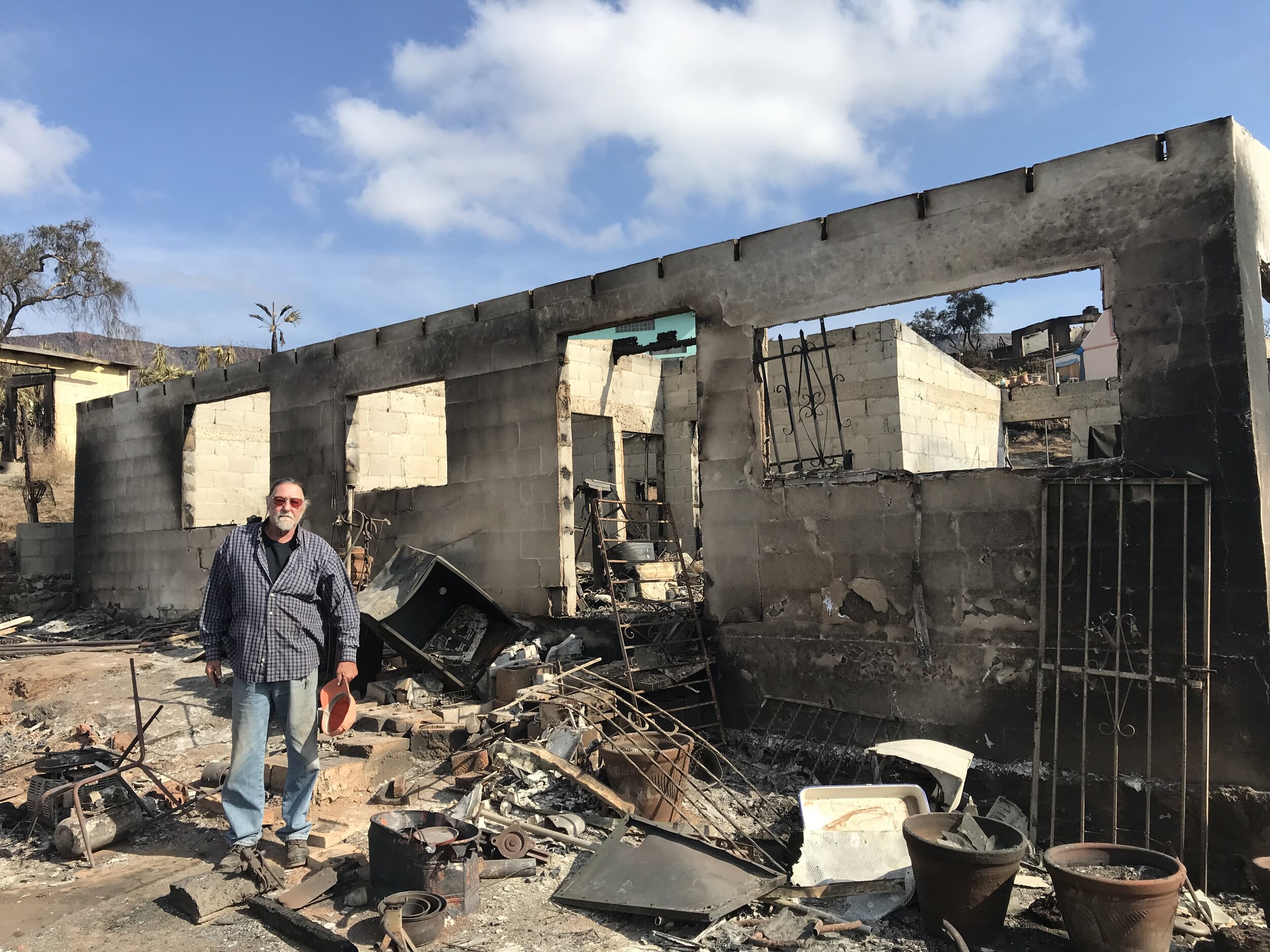
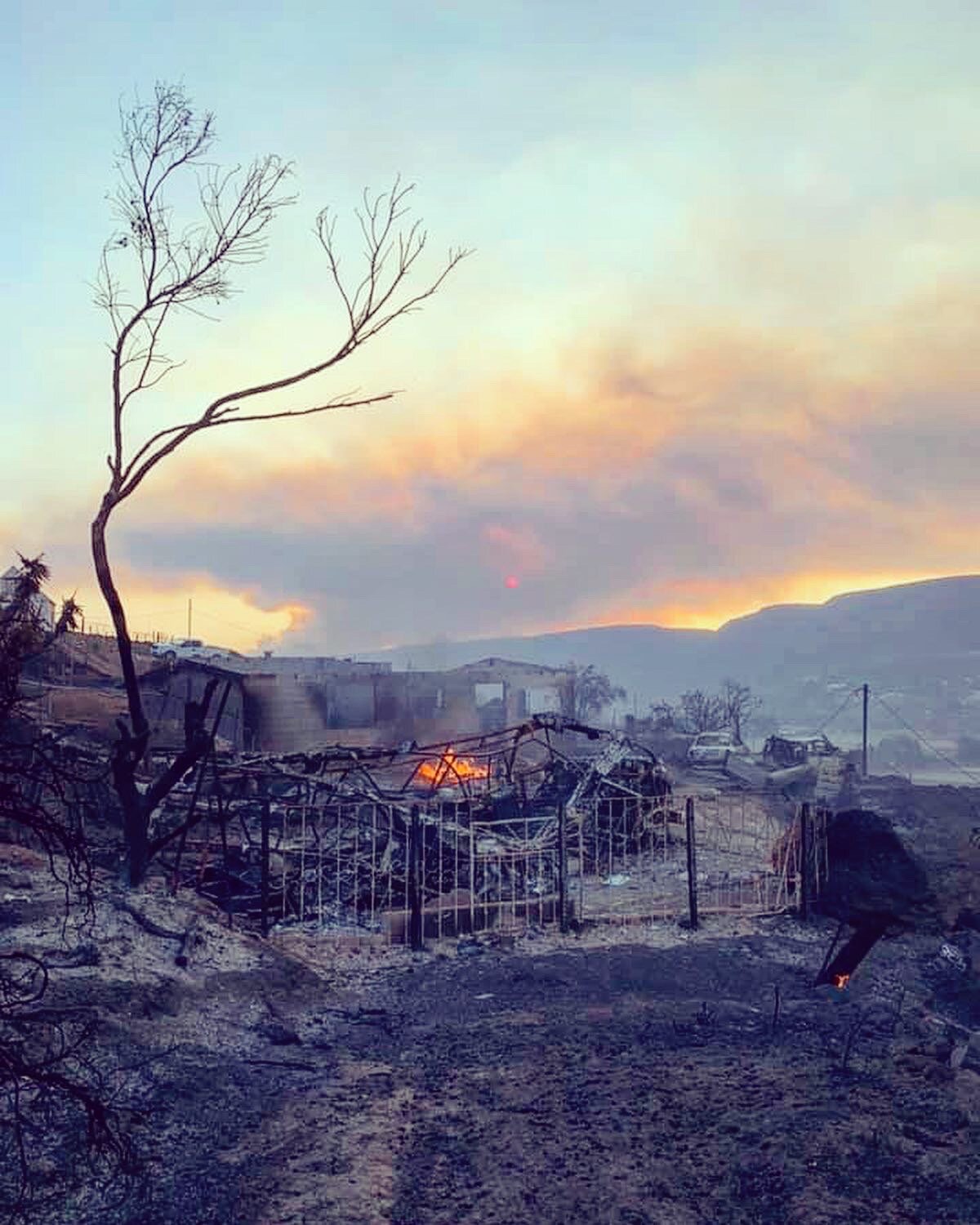
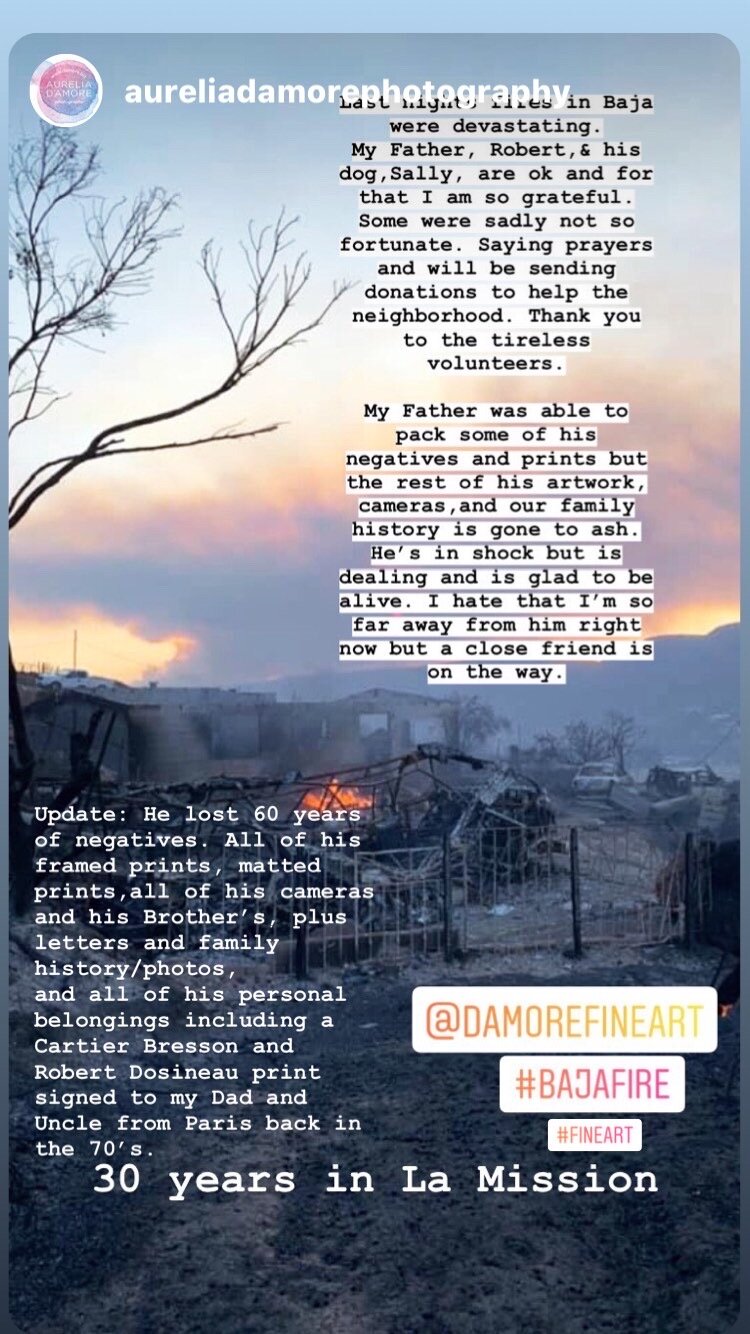
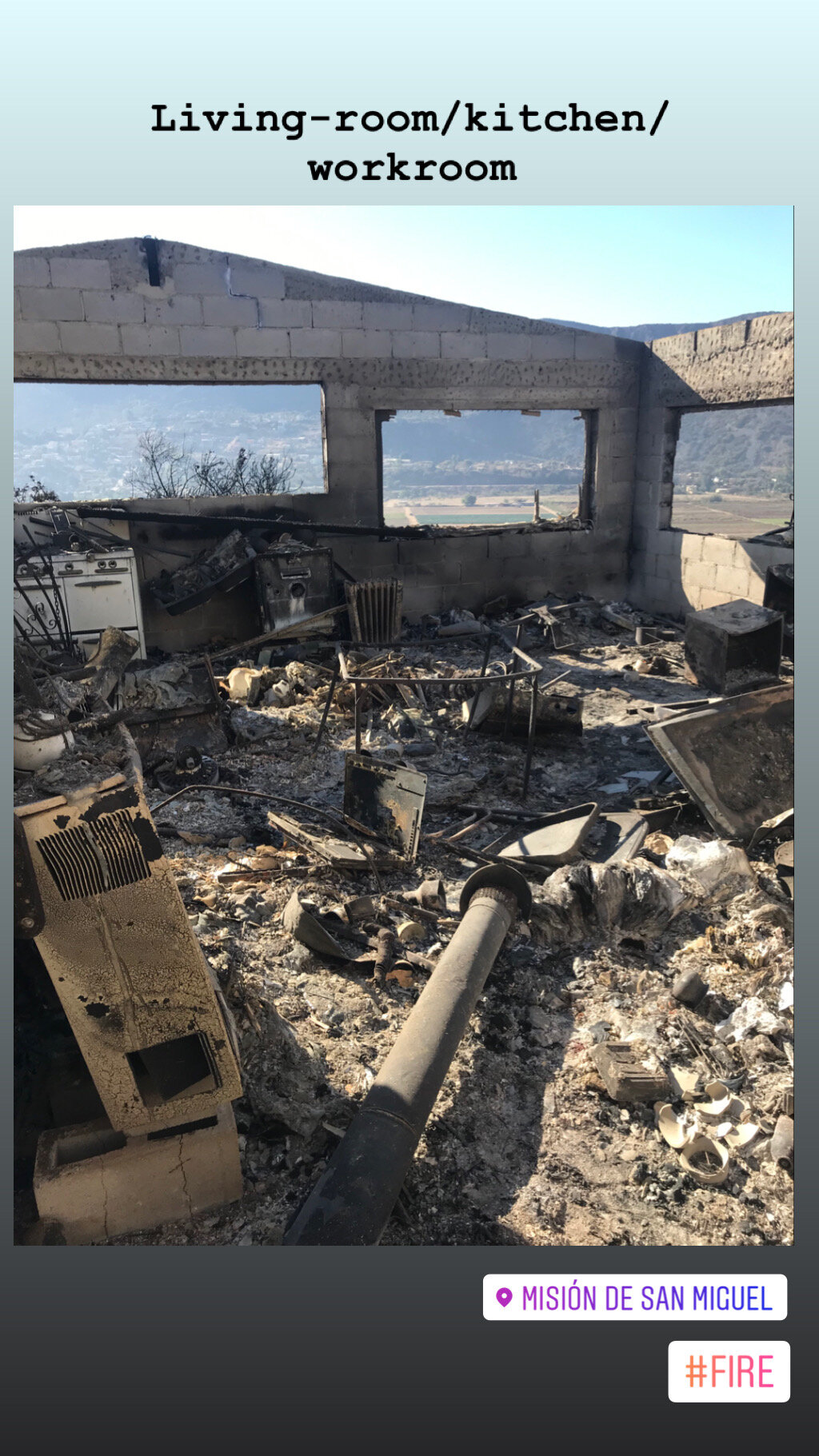
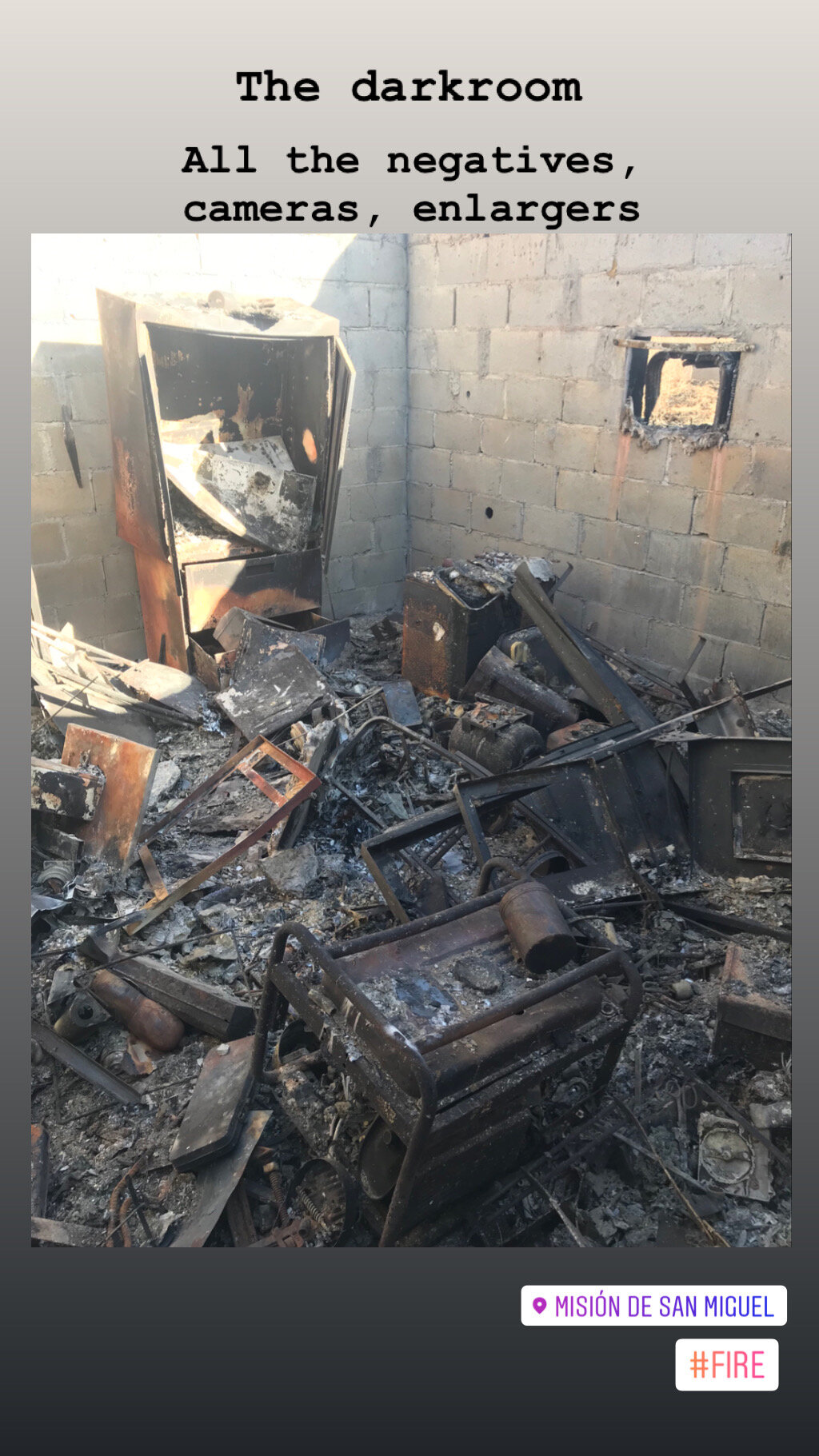
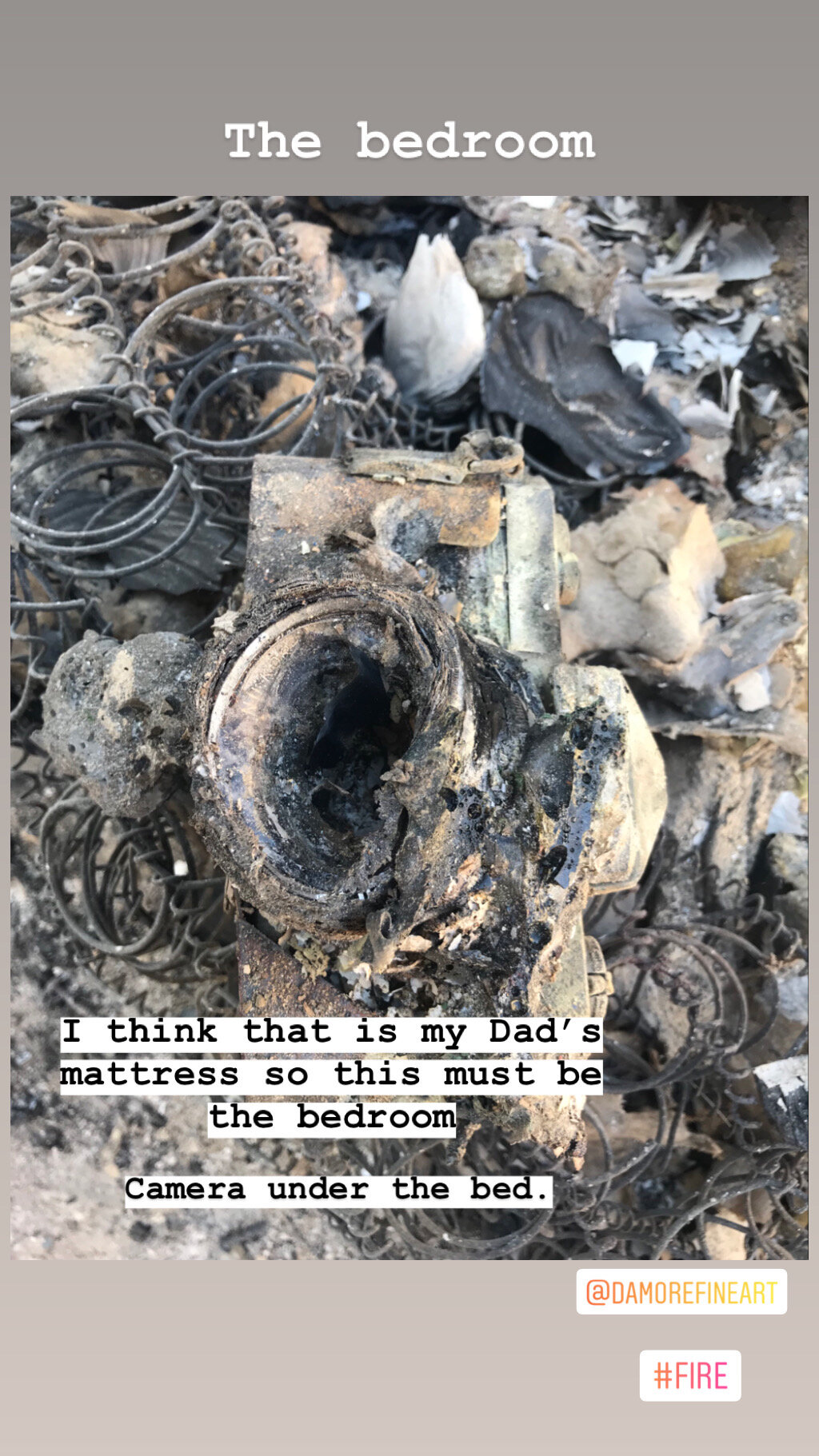
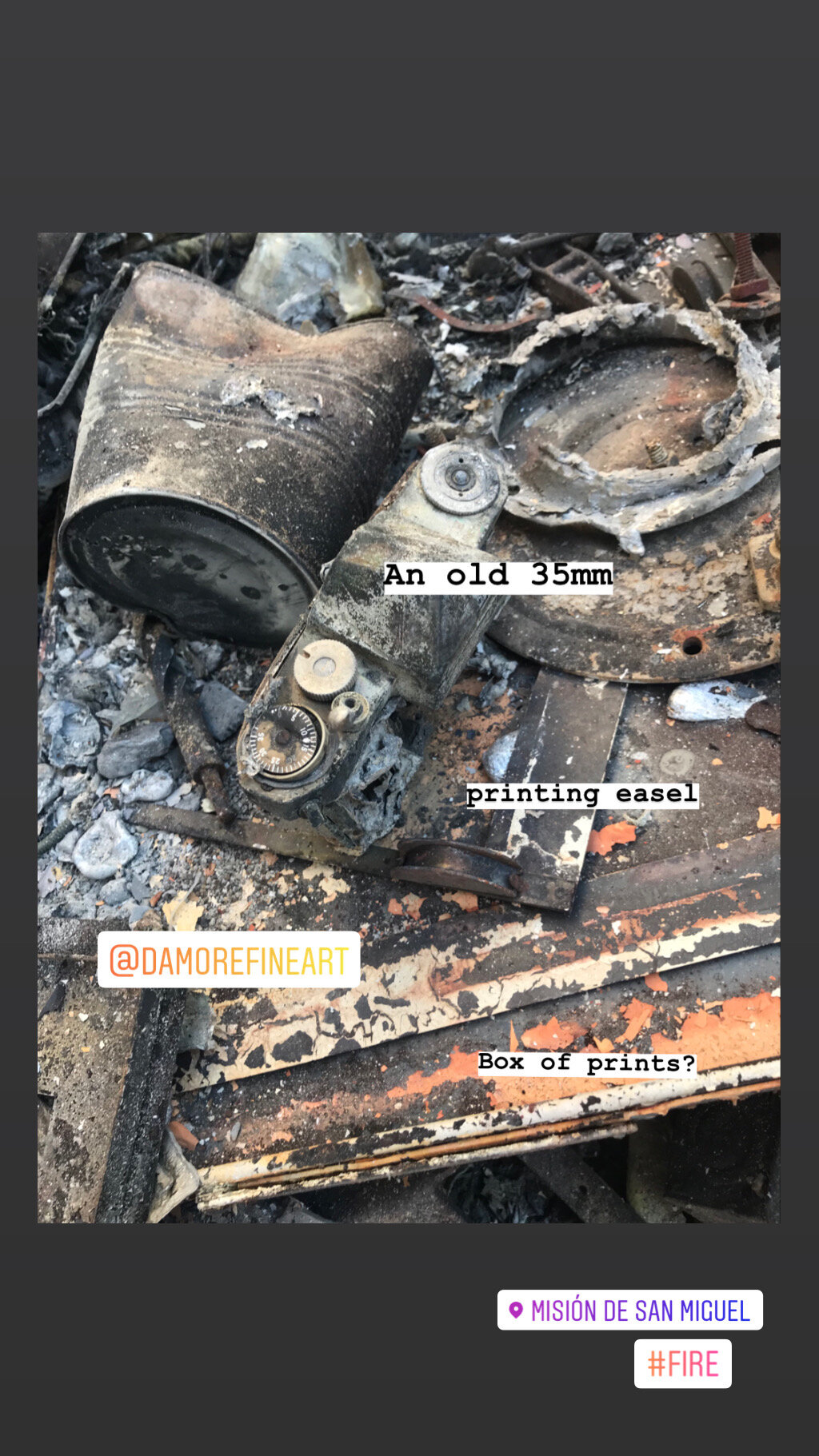
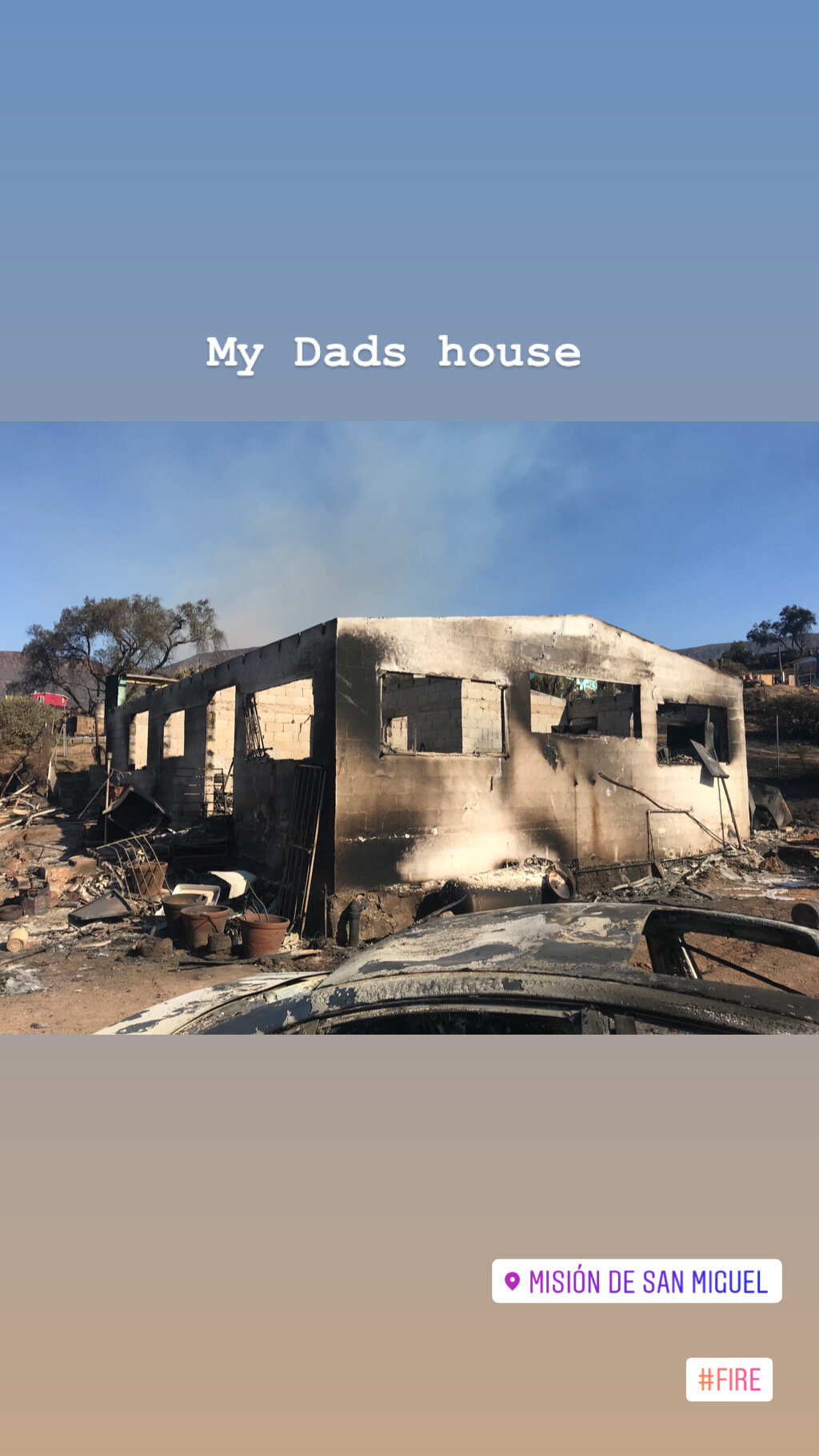
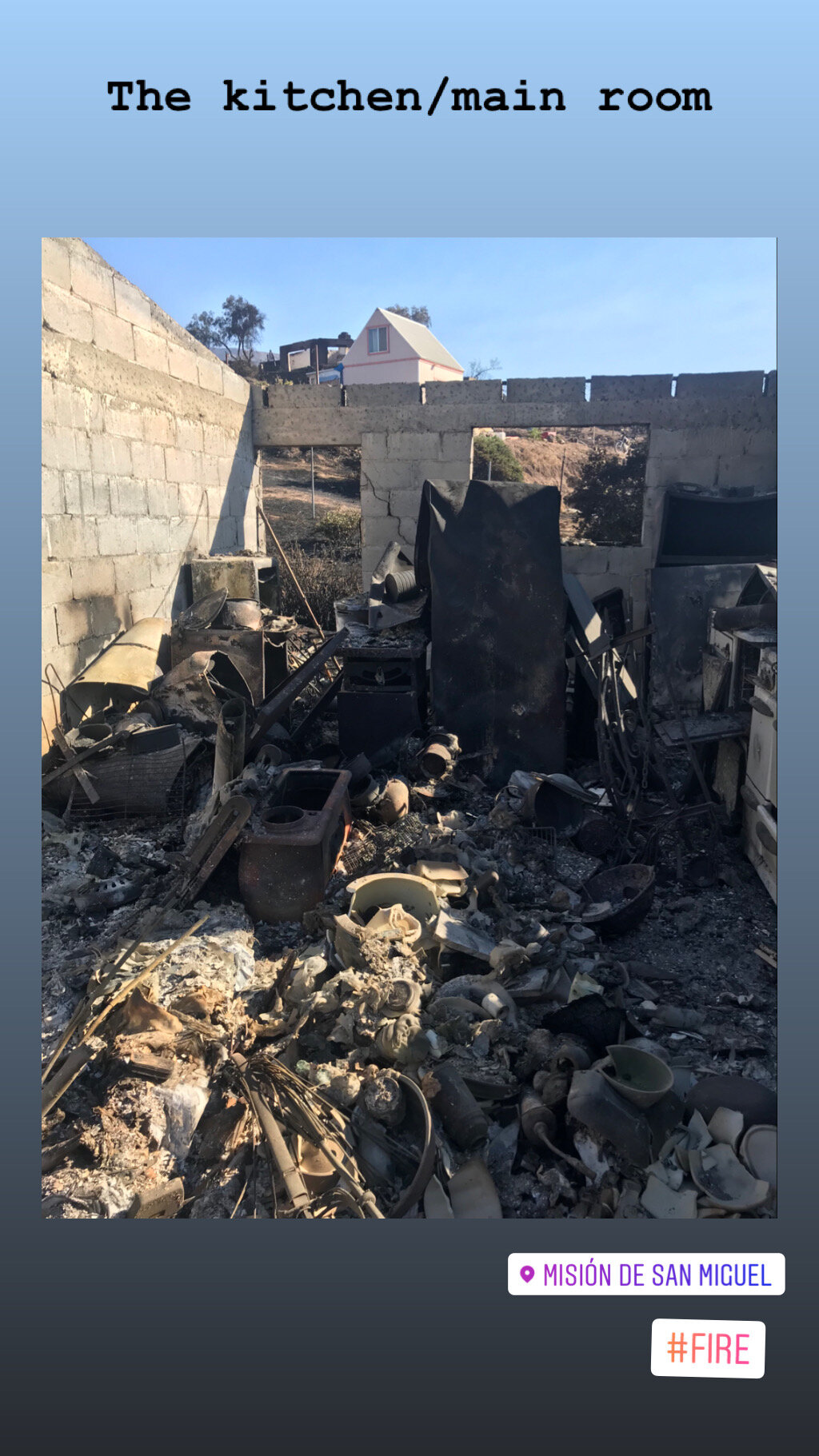
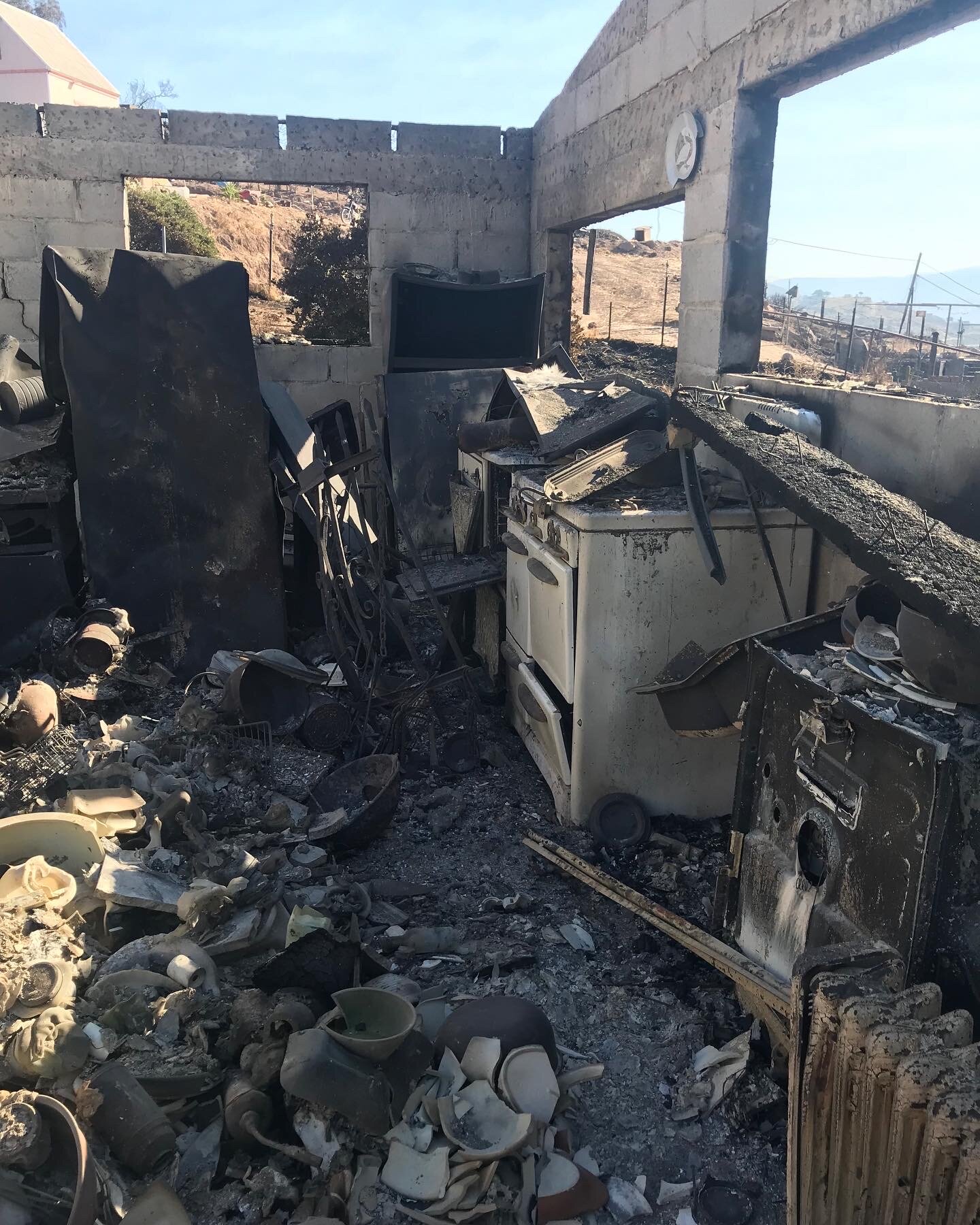
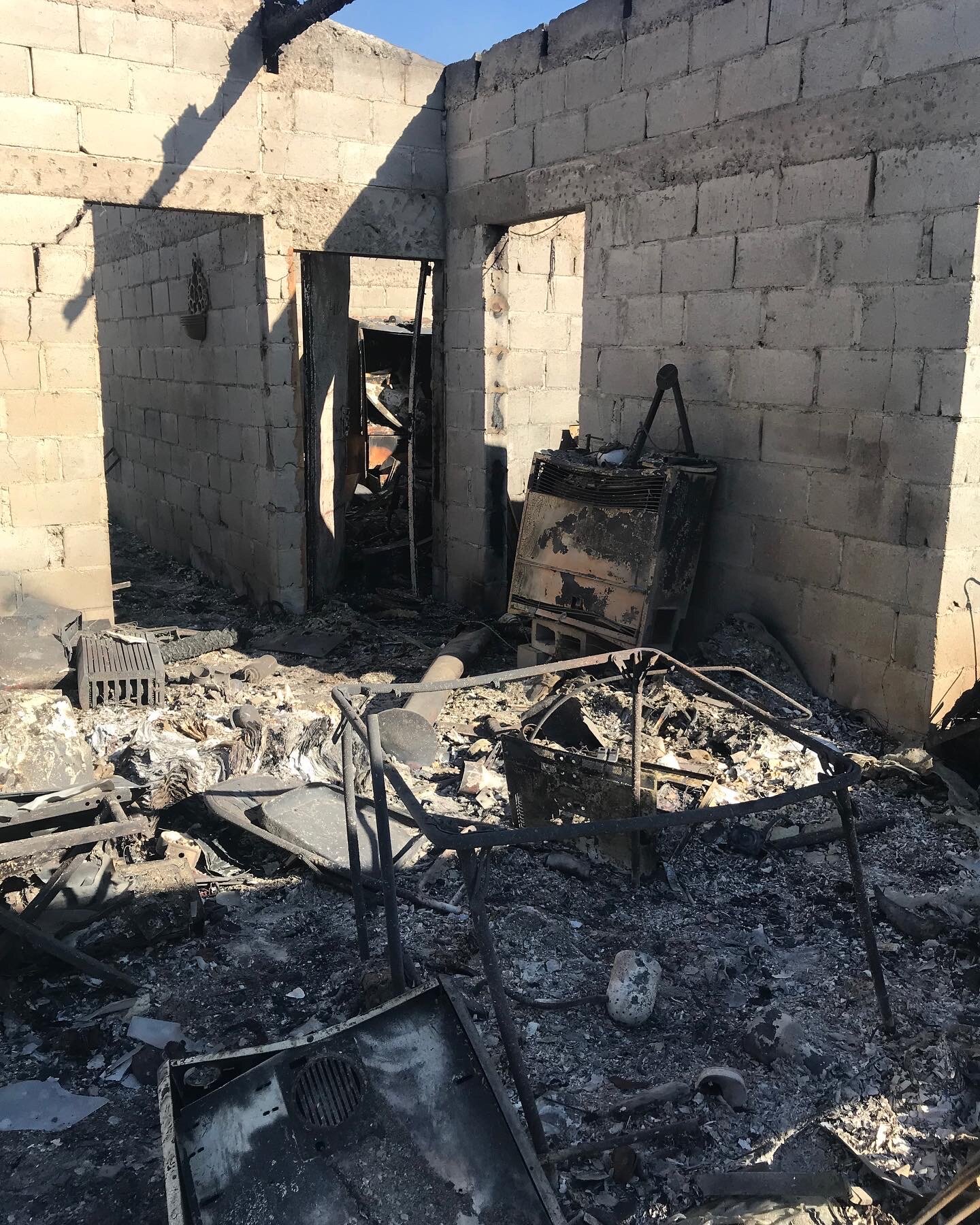
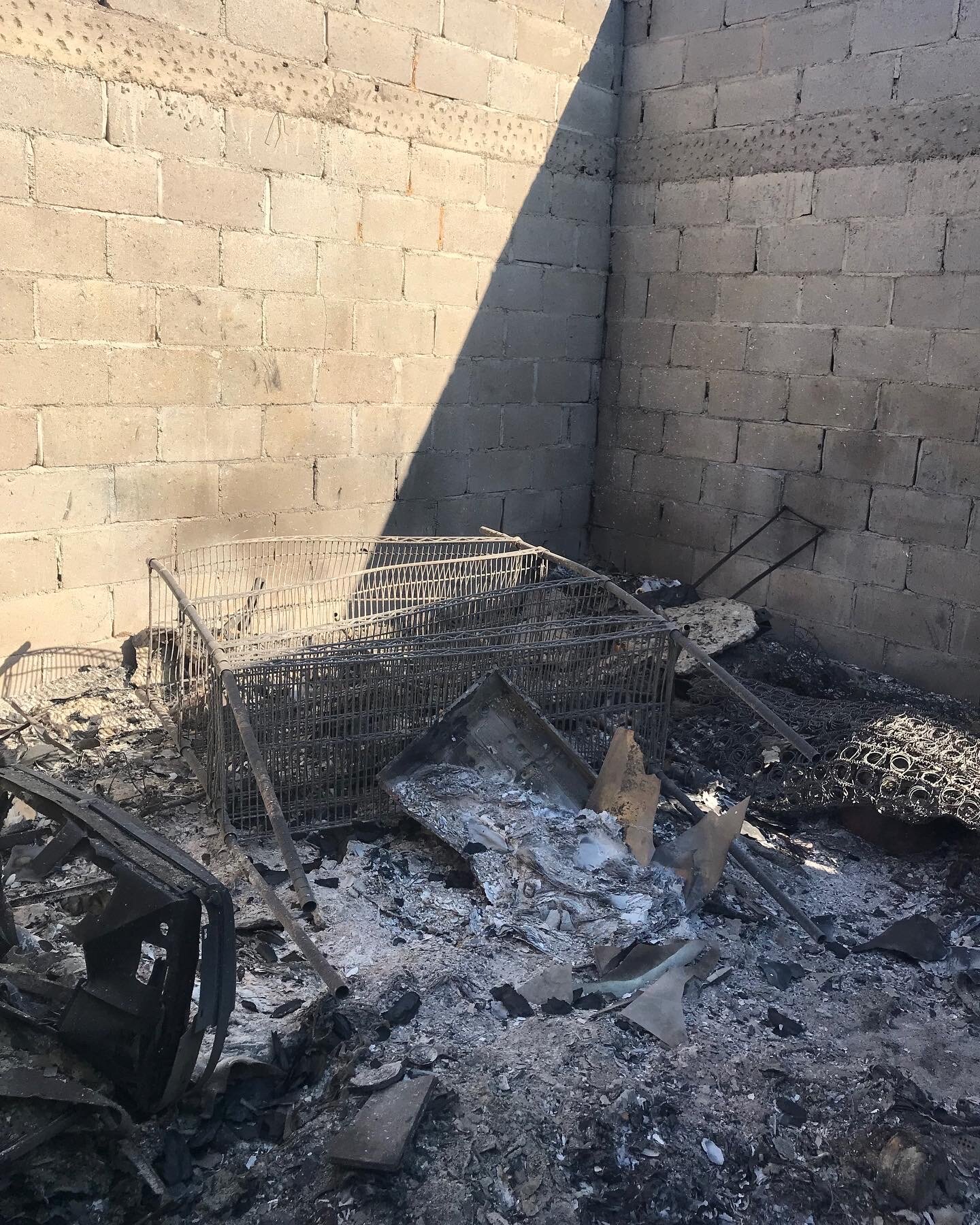
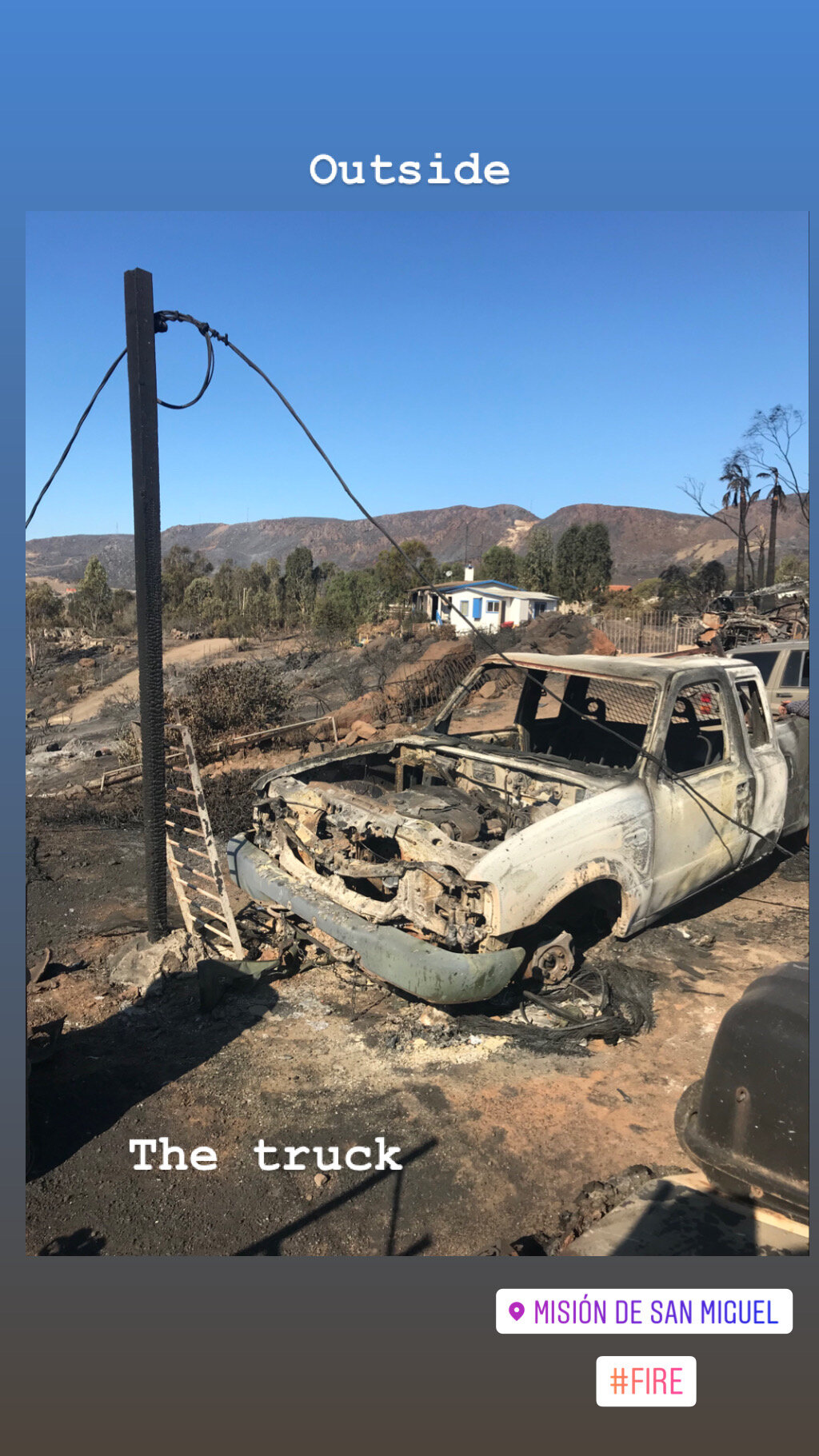
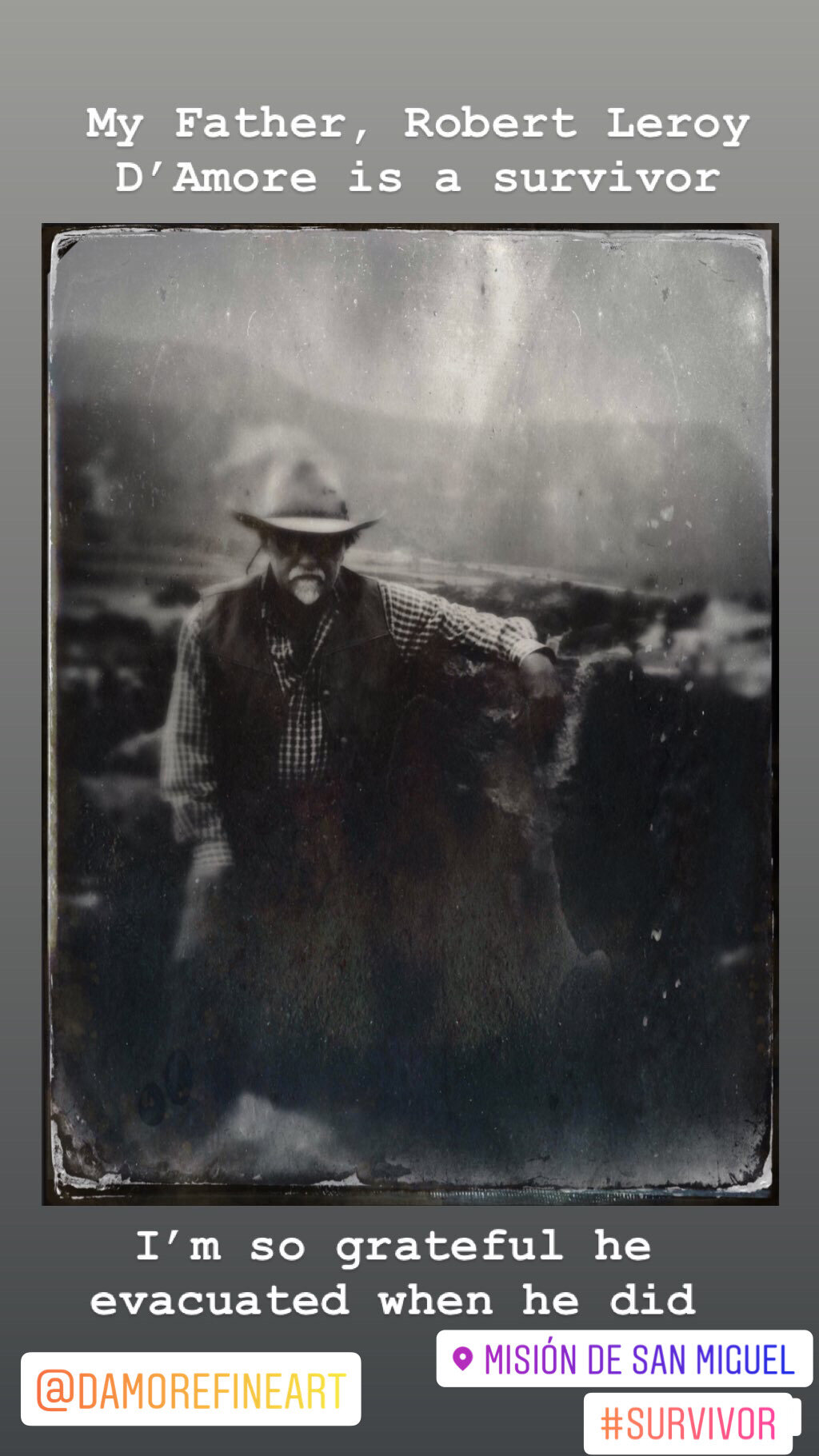
It is with a heavy but grateful heart that I share the news that my father Robert D’Amore’s home burned down on October 24, 2019.
While fires were burning throughout California, just a few miles across the border in Mexico, more fires were raging—fueled by Santa Ana winds and miles of dry brush. The fires spread simultaneously north and south, in multiple areas from Tijuana to Ensenada. There simply were not enough people, resources, or water to fight them all.
My father lost nearly everything: fifty years of photographic negatives—perhaps three-quarters of them never printed and never seen—his cameras, his darkroom, hundreds of fine-art prints, and precious family photographs and heirlooms.
Late Thursday night, when I heard there was a fire near his home in La Misión, I called him repeatedly and urged him to evacuate. Those calls may have saved his life. Within a matter of hours, flames engulfed his home, setting off explosions from propane tanks and vehicles.
He escaped with his dog, Sally, and managed to save some of his life’s work: eight boxes of 16 × 20 prints and most of his Fresson prints. He tried to save as much as he could, but later told me that if he had made one more trip inside the house, he would not have made it out alive.
I am beyond grateful that he survived.
My father built his house himself, with the help of one other man, for about $5,000. It was never completely finished, but as soon as the roof was up, he moved in. For decades, it was his home, workshop, darkroom, and haven.
I am so proud of the body of work he dedicated his life to creating, and deeply saddened by the immense loss of more than fifty years of photographs and stories—an archive I had planned to begin organizing over the Thanksgiving holiday.
What was lost was not only my father’s story. His photographs held the stories of countless people, places, cities, and countries across Europe, America, and Mexico. He had been documenting La Misión for thirty years. Cowboys covered in dust proudly posed for him. He photographed the world with a sensitive, romantic touch and a curious eye. He created work that demanded respect.
I will do my best to preserve and continue showing the work that remains, in honor of my father and my late uncle Richard D’Amore.
We are the D’Amore family—of love—and we are grateful to everyone who has read this story and humbled by the kindness and support shown to us during this time.
My father spent his life preserving records, photographs, and works of art. What the fire destroyed carried meaning far beyond its value as physical property—to him, to me, to our friends and family, to the community, and to the history contained within his photographs. It is extraordinary how much weight and significance a simple piece of paper can carry—and how fragile it all is.
My father was 76 years old when the fire happened. He wanted to rebuild his home. He is a proud and frugal man, but also an extraordinarily generous one. He has a huge heart. One of the first things he spoke about after the fire was how sad he was for his neighbors and his community, and how deeply touched he was by the kindness people had shown him. Someone bought him lunch one day, and he could not stop talking about it.
After losing so much, he told me that he also felt a sense of freedom he had never experienced before. He had spent so long carrying the weight of the past on his shoulders. I wanted him to have the chance to enjoy more of his life in the light.
He said:
“A life is a life, a house is a house, and there are a lot of people suffering in the world right now.”
Even after losing nearly everything, he was thinking of the people around him.